The Elegance of Classical Piano: History and Benefits

Introduction
The classical piano is more than just an instrument—it is a symbol of human creativity, emotional expression, and artistic refinement. With a history shaped by innovation and cultural evolution, the piano has played a central role in music for over three centuries. In this article, we explore the history of classical piano music and examine the lasting benefits of learning and playing this timeless instrument.
A Brief History of the Classical Piano
The origins of the piano trace back to the early 18th century, evolving from earlier keyboard instruments such as the harpsichord and clavichord. The invention of the modern piano is credited to Italian instrument maker Bartolomeo Cristofori, who developed the first version around 1700. Unlike its predecessors, the piano allowed musicians to control volume and intensity through touch, opening the door to expressive dynamics that were previously impossible.
Throughout the 18th and 19th centuries, the piano underwent significant development alongside the rise of influential composers such as Wolfgang Amadeus Mozart, Ludwig van Beethoven, and Frédéric Chopin. Their works demonstrated the piano’s full expressive range and helped establish it as a cornerstone of Western classical music. By the 19th century, the piano had become a central fixture in both concert halls and private homes, symbolizing musical sophistication and artistic culture.
The tradition continued into the 20th century, with composers like Sergei Rachmaninoff and Claude Debussy expanding the instrument’s expressive possibilities even further. Today, the classical piano remains deeply rooted in musical education and performance, continuing to inspire musicians across generations.

The Benefits of Learning Classical Piano
Learning classical piano goes far beyond technical skill—it offers benefits that positively influence both the mind and personal development.
1. Improved Cognitive Skills
Playing the piano engages multiple areas of the brain at once. Reading sheet music, coordinating both hands, and maintaining rhythm strengthen memory, focus, and problem-solving abilities, supporting overall cognitive development.
2. Emotional Expression and Stress Relief
Classical piano provides a meaningful outlet for emotional expression. From reflective melodies to powerful passages, playing allows musicians to process emotions and reduce stress, often offering a sense of calm and balance.
3. Discipline and Patience
Mastering classical repertoire requires consistent practice and perseverance. This process builds discipline, patience, and long-term focus—skills that extend far beyond music.
4. Hand-Eye Coordination and Motor Skills
Piano playing enhances coordination and fine motor control by requiring precise finger movement while reading music. Over time, this improves dexterity and physical awareness.
5. Cultural and Historical Awareness
Studying classical piano introduces learners to rich historical and cultural contexts. Each composition reflects the time, influences, and personal story of its composer, deepening appreciation for music as an art form.
6. Confidence and Performance Skills
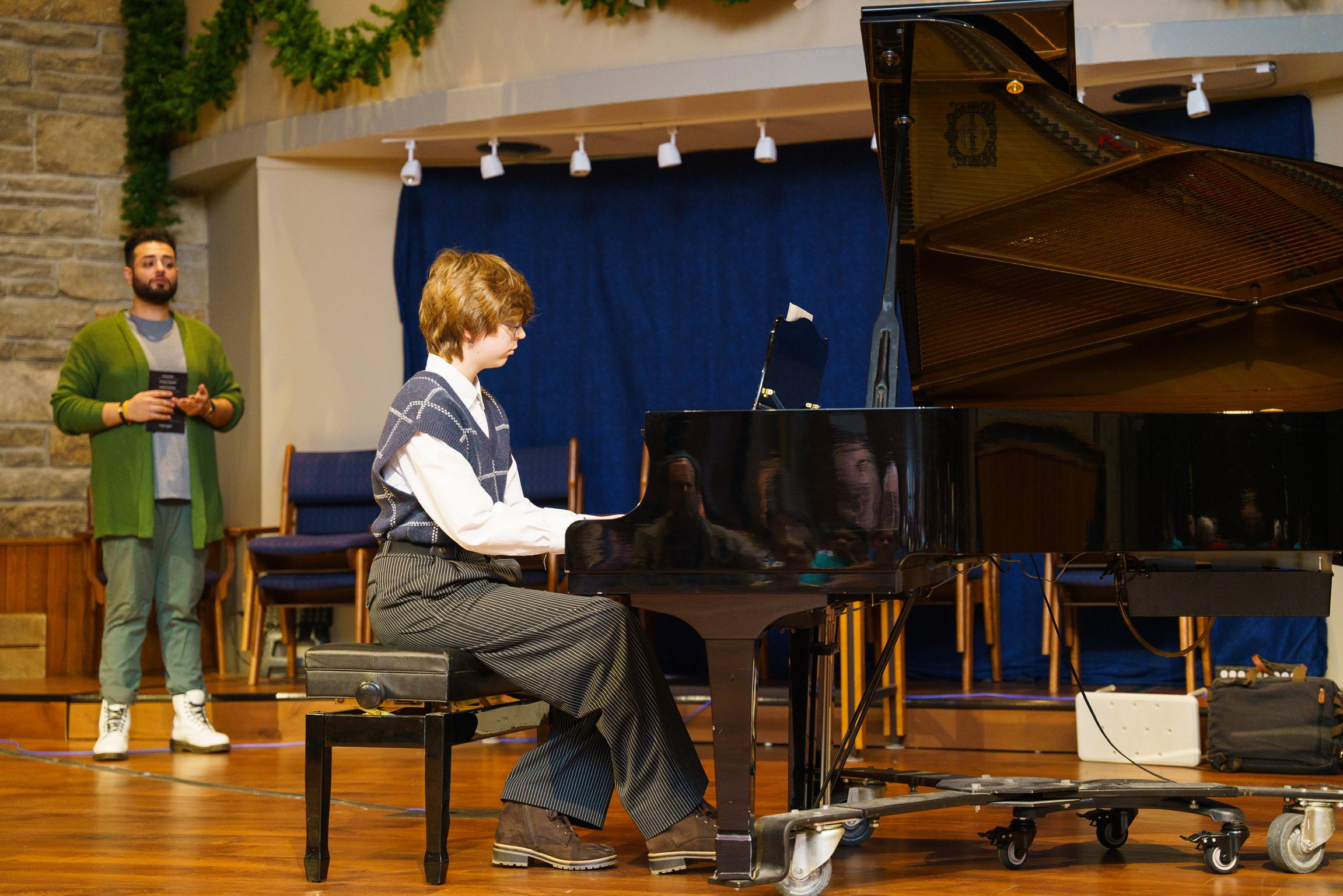
Learning classical piano often leads to performance opportunities, helping students build confidence, stage presence, and communication skills while connecting with others through music.

Why Classical Piano Remains Relevant Today
In a world shaped by modern and digital music, classical piano remains relevant because of its depth and versatility. It provides a strong musical foundation, teaches structure and creativity, and cultivates emotional sensitivity. Many contemporary styles—including jazz, film music, and popular genres—are deeply influenced by classical piano techniques.
By studying classical piano, musicians gain skills that translate across musical styles, making it a valuable and enduring discipline.
Conclusion
The classical piano has endured for centuries because it balances intellectual challenge with emotional beauty. Its rich history and wide-ranging benefits make it a meaningful pursuit for learners of all ages. Whether drawn to its expressive power or its cultural legacy, studying classical piano is a rewarding journey that continues to enrich lives today.