Why Piano Lessons Are One of the Best Investments for Kids and Adults
When people think about piano lessons, they often picture learning songs, practicing scales, or preparing for a recital. While all of that is part of the journey, the real value of piano lessons goes much deeper.
Over the years of teaching students of all ages, I’ve seen firsthand how learning the piano shapes confidence, focus, creativity, and discipline — skills that last far beyond the keyboard. Whether lessons start in early childhood or later in adulthood, piano is one of the most meaningful investments a person or family can make.
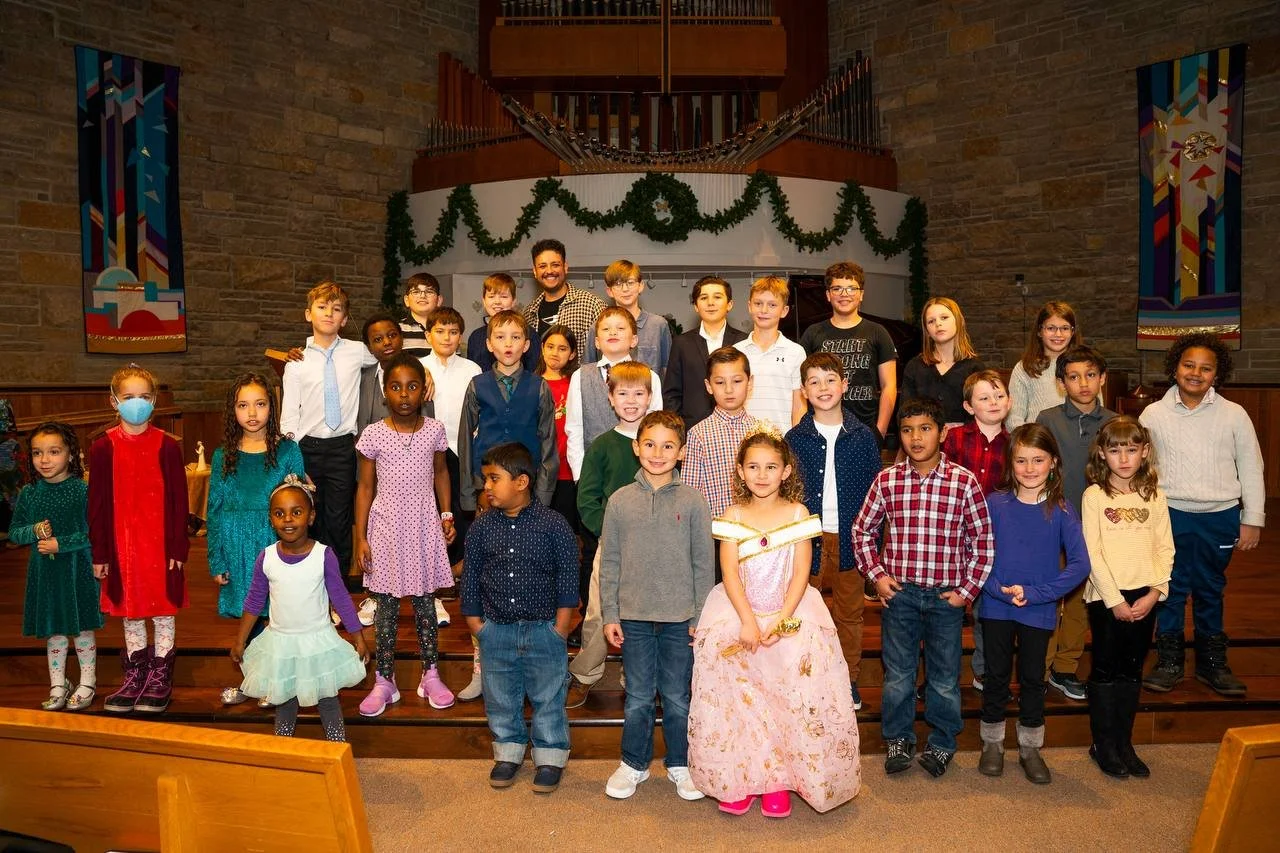
Naji Piano School—2022 Recital
Piano Lessons Build Confidence That Transfers to Everyday Life
One of the most powerful outcomes of piano lessons is confidence. Learning an instrument is not instant. It takes patience, repetition, and perseverance — and each small improvement reinforces a sense of achievement.
For kids, this often shows up in school, presentations, and social situations. For adults, it’s the confidence of learning something new, sticking with it, and seeing progress over time. That feeling of “I can do this” carries into many other areas of life.
This is why personalized instruction matters so much. When lessons are paced correctly and adapted to each student, confidence grows naturally instead of being forced.
Piano Strengthens Focus, Memory, and Problem-Solving Skills
Piano lessons engage the brain in a unique way. Reading music, coordinating both hands, listening critically, and staying aware of rhythm all happen at the same time. This kind of multitasking strengthens focus and memory in a way very few activities can.
Parents often notice that their children become more attentive and organized after starting lessons. Adult students frequently share that piano becomes a mental reset — something that sharpens the mind while also providing a creative outlet.
These benefits aren’t limited to “musical” people. Piano supports cognitive development at every age.
The Right Teacher Makes All the Difference
Not all piano lessons are the same. The relationship between student and teacher plays a huge role in long-term success.
A great teacher knows when to challenge, when to slow down, and how to keep lessons engaging without overwhelming the student. Especially for younger learners, connection and encouragement are just as important as technique.
This is why we focus so much on matching students with instructors who truly care, communicate well, and teach with patience. When students feel supported, progress happens naturally — and lessons become something they look forward to each week.
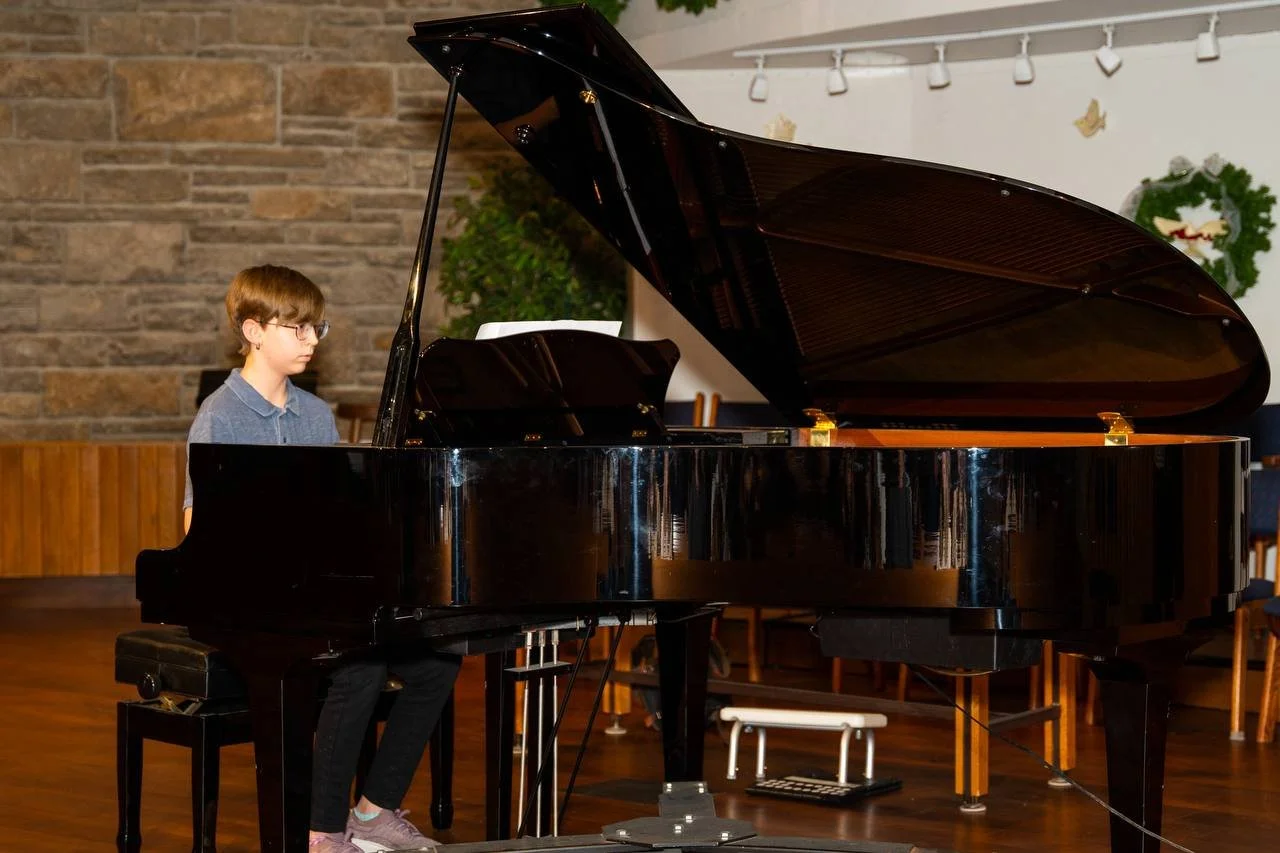
Piano Lessons for Adults: It’s Never Too Late to Start
One of the biggest myths about piano is that it’s only for kids. In reality, adult students often make incredible progress because they understand why they’re learning.
Some adults return to piano after years away. Others start from scratch. In both cases, lessons become a creative space — a break from busy schedules, responsibilities, and screens.
There’s no pressure to perform or rush. Piano becomes personal, enjoyable, and deeply rewarding.
Consistency Matters More Than Perfection
Many people hesitate to start piano lessons because they worry about practice time or progress. The truth is, consistency always matters more than perfection.
Short, focused practice sessions and regular lessons lead to steady improvement over time. With the right structure and guidance, even busy families and working adults can make piano fit naturally into their routine.
This is why flexible scheduling and clear lesson plans are so important.
Why Piano Is a Long-Term Investment
Unlike many short-term activities, piano is a skill that stays with you for life. Students don’t just learn songs — they develop discipline, creativity, emotional expression, and a sense of accomplishment.
Whether your goal is to help your child grow confidently, support academic development, or finally pursue a lifelong dream of playing music, piano lessons offer lasting value.
If you’re exploring piano lessons locally and want an experience that’s personal, supportive, and built around real progress, starting with the right teacher makes all the difference.